
Photo Gallery
Rocky Quilt and his nephew stomp out a lingering fire at the end of a burn in the fall of 2020.
The Taseko river winds through the frozen forest in the Nemiah Valley. Fall 2020.
Photo Credit: Josh Neufeld
Keeping a watchful eye of the grass burns in the fall of 2020.
Photo Credit: Josh Neufeld
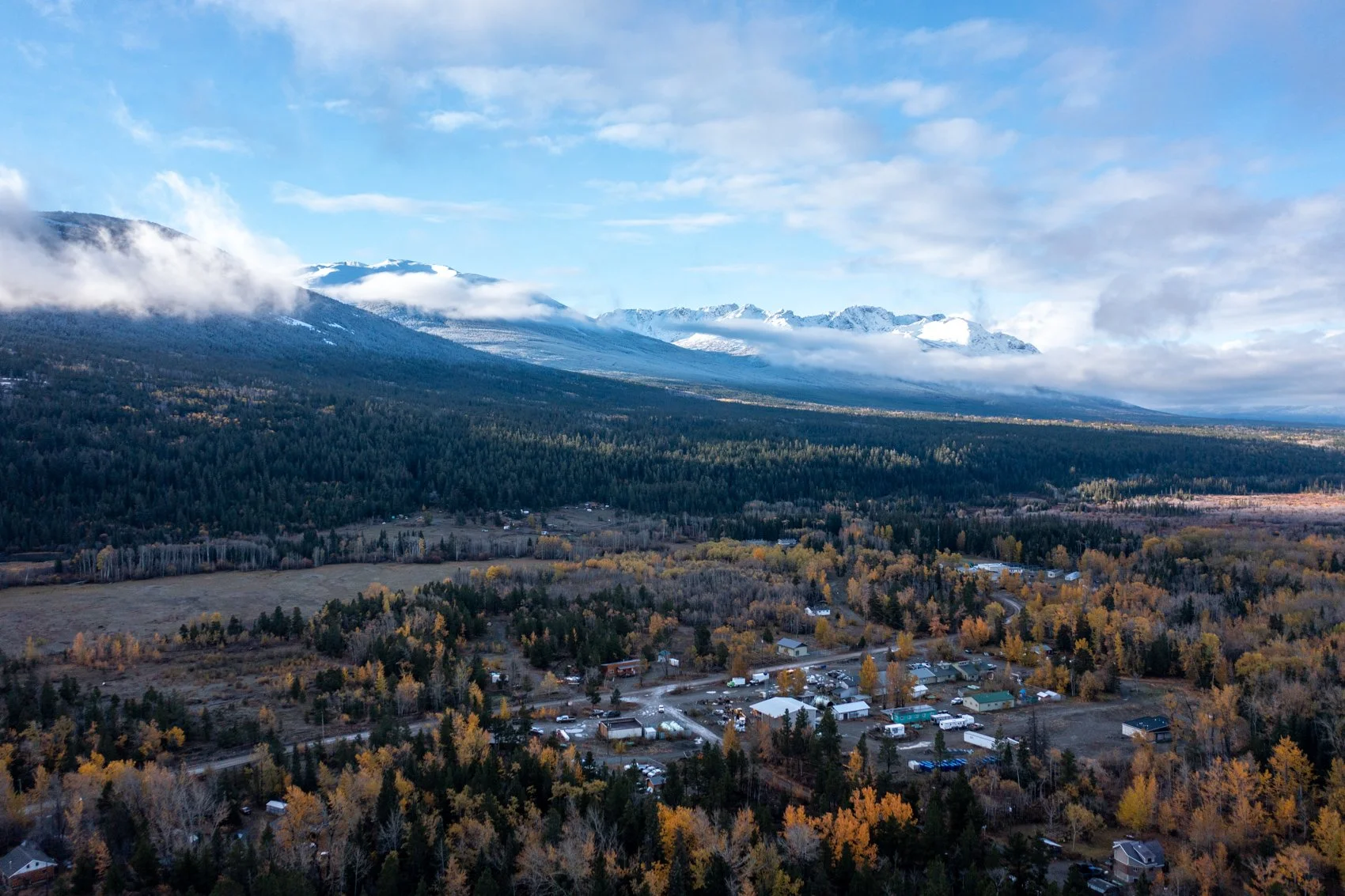
The Xeni Gwet’in community in the Nemiah Valley. Fall of 2020.
Photo Credit: Josh Neufeld
Backpack water pumps and other supplies provided in the Yunesit’in community in the fall of 2020.
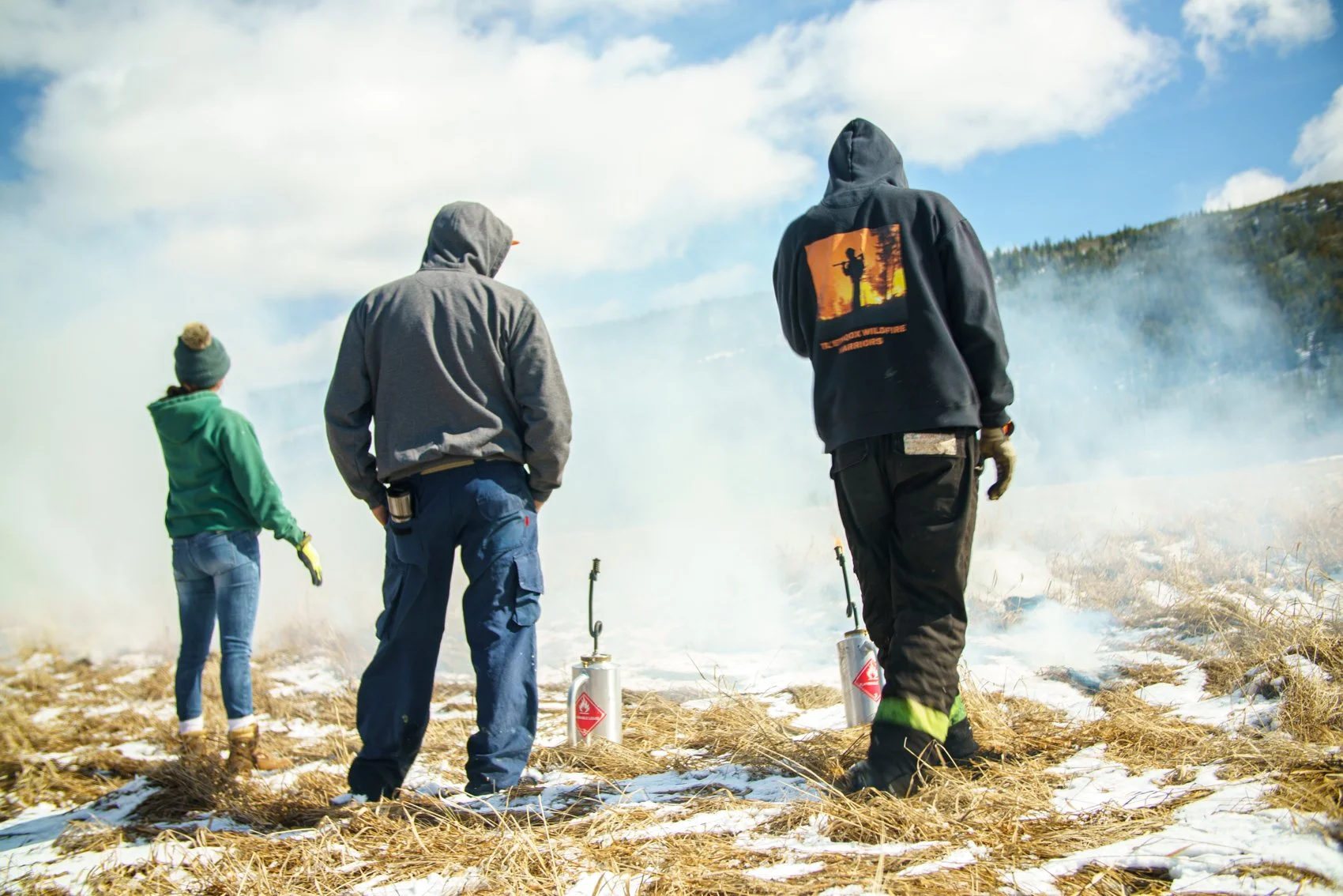
Fall burns with the fire crew from the Xeni Gwet’in and Yunesit’in communities. Fall 2020.
Photo Credit: Josh Neufeld
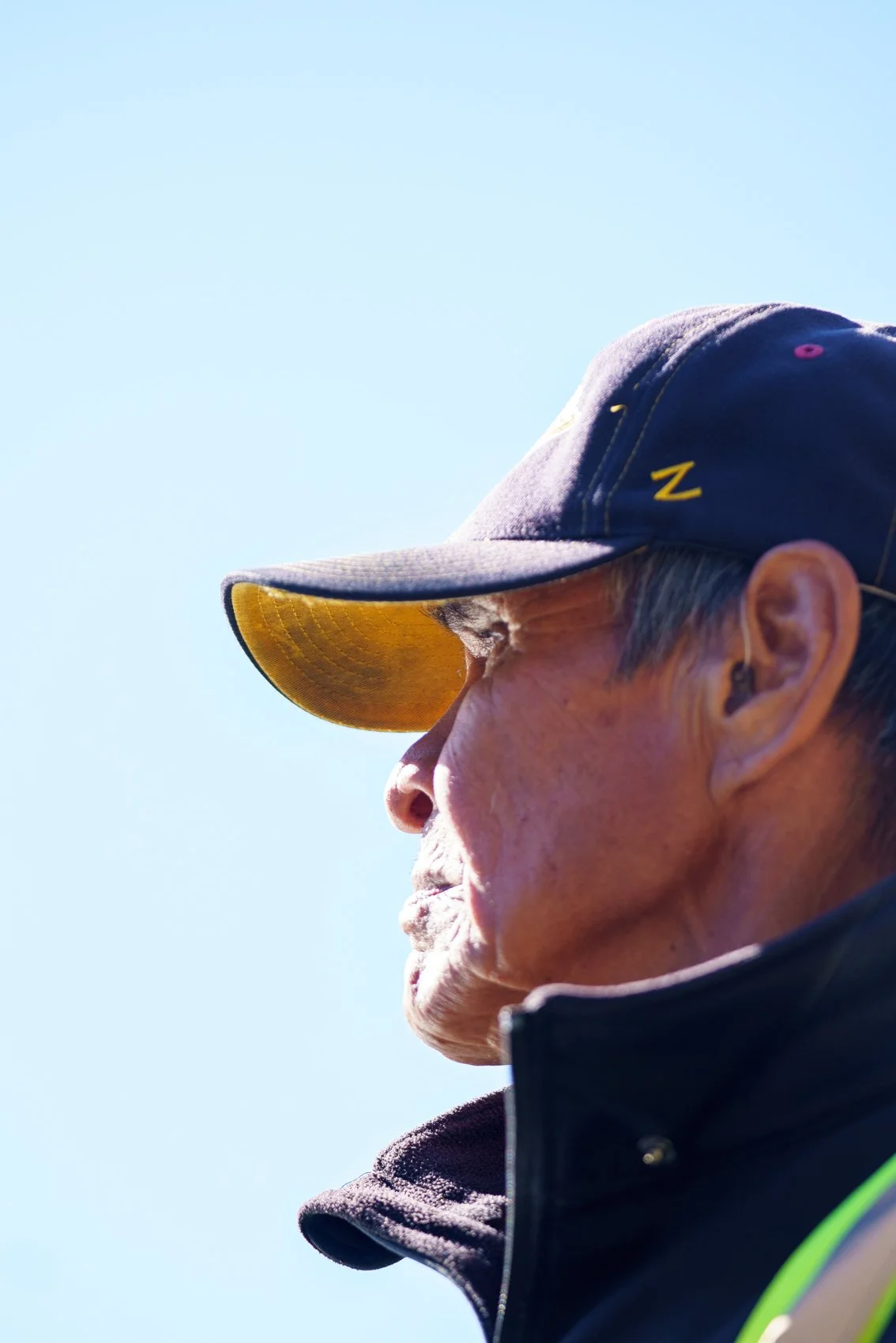
Rocky Quilt, Xeni Gwet’in elder stands watch during a grass burn in the fall of 2020.
Photo Credit: Josh Neufeld
Aerial view of the burns movement through the dry grasses in the fall of 2020.
Photo Credit: Josh Neufeld
Fall burns with the fire crew from the Xeni Gwet’in and Yunesit’in communities. Fall 2020.
Photo Credit: Josh Neufeld
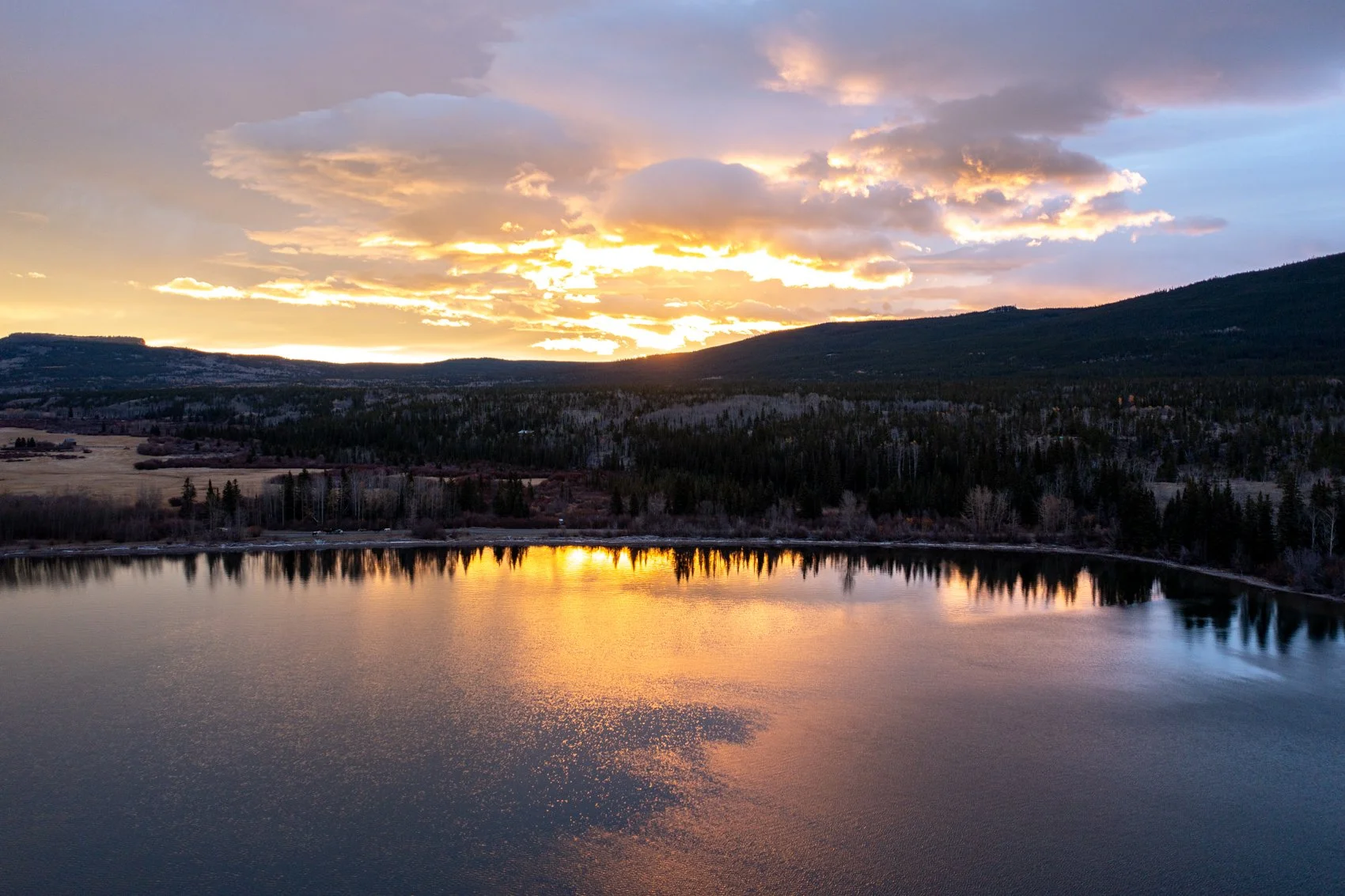
A small pond next to Chilko Lake. Indigenous wildfire management can help protect these areas for future generations. Fall 2020.
Photo Credit: Josh Neufeld
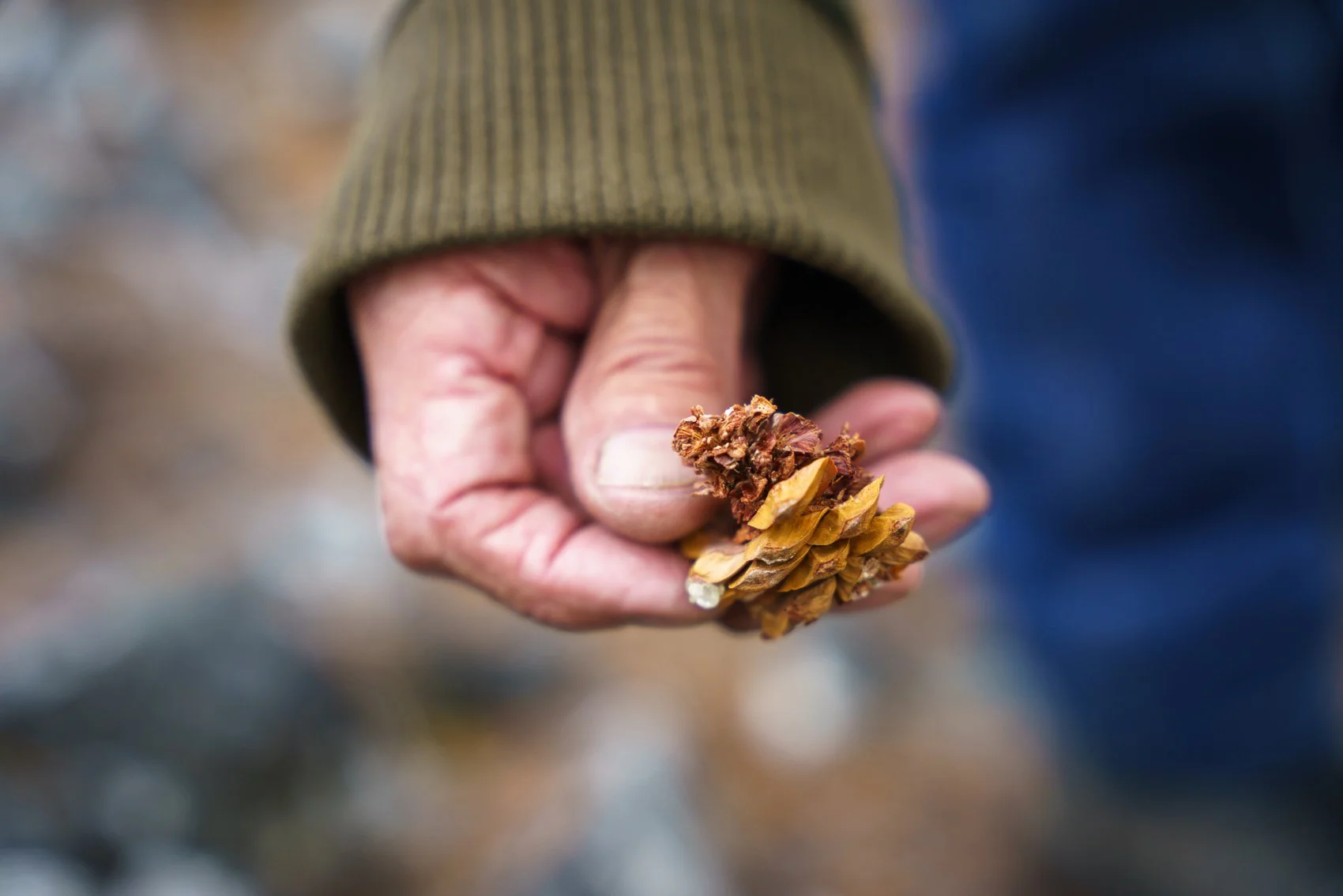
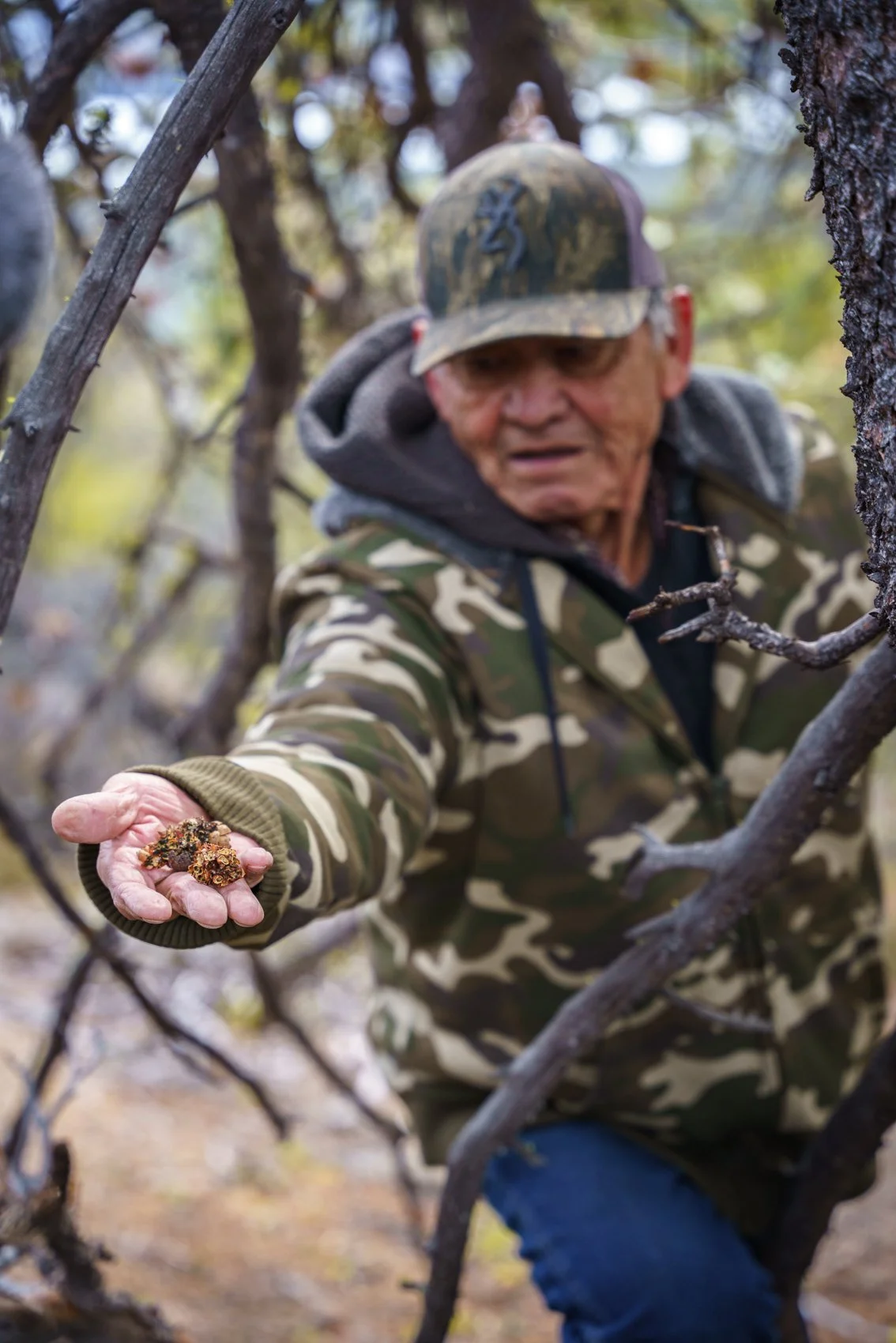
Xeni Gwet’in elder Rocky Quilt inspects potential burn sites while assessing hazards. Fall 2020.
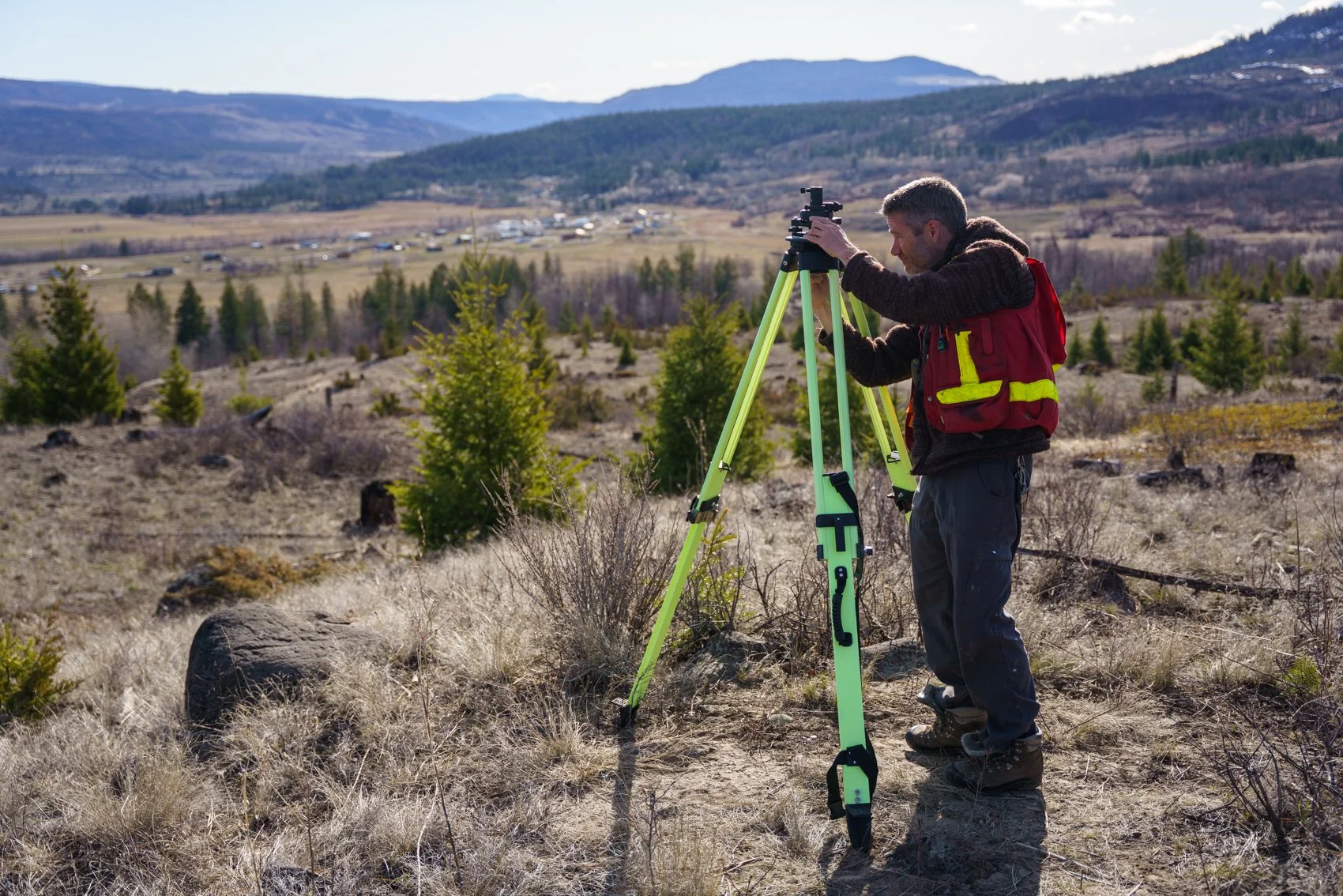
The Yunesit’in fire crew consulting maps to search for potential burn sites.
Photo Credit: Josh Neufeld
The small fire works its way through the grass in the Nemiah valley in the fall of 2020.
Photo Credit: Josh Neufeld
Rocky Quilt stands in the smoke and sun, keeping watch over a grass burn in the fall of 2020.
Photo Credit: Josh Neufeld
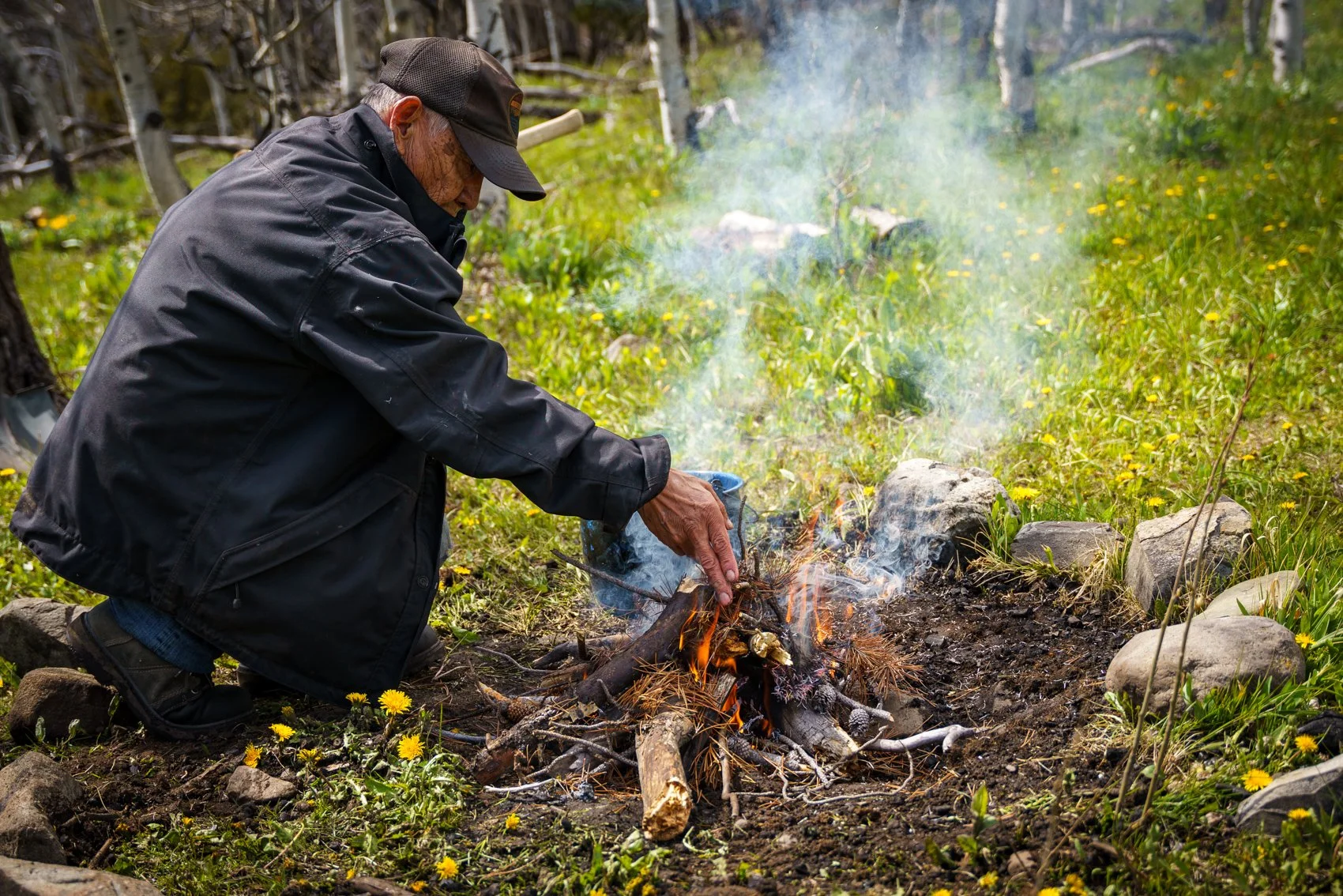
Rocky Quilt warms his hands while the small grass fire burns at this feet, offering respite from the cool, biting breeze. Xeni Gwet’in 2020.
Photo Credit: Josh Neufeld
Anthony Billyboy, part of the Yunesit’in fire crew starts a small grass fire during test burns in the fall of 2020.
Photo Credit: Josh Neufeld
A portrait of Evans Stump, shop manager and fire crew leader of the Xeni Gwet’in crew. Fall of 2020.
A hawk sits and waits in the Xeni Gwet’in nation. Indigenous fire management is a holistic approach that benefits the entire ecosystem, leaving room for species like this to thrive.
Photo Credit: Josh Neufeld
Rocky Quilt stomps out a fire at the end of the day during burns in the fall of 2020.
Photo Credit: Josh Neufeld
Rebecca and Anthony Billyboy sit in a planning session for the test burns of fall 2020.
Photo Credit: Josh Neufeld
Rocky Quilt demonstrate the process of fire management to his nephew (Name?) bringing different generations together. Xeni Gwet’in 2020.
Photo Credit: Josh Neufeld
Fall burns with the fire crew from the Xeni Gwet’in and Yunesit’in communities. Fall 2020.
Victor Steffensen demonstrates how the dry grass burns as Chief Russell Myers Ross of the Yunesit’In Government watches.
Photo Credit: Ngaio Hotte
One of the many mountains ranges in the Xeni Gwet’In territory that would benefit from Indigenous fire management.
Photo Credit: Ngaio Hotte
Fire keeper trainee, Jeffan Smith from the Yunesit’in Nation applies fire to the dry grasses as part of a training exercise in the spring of 2019.
Photo Credit: Josh Neufeld
Led by Victor Steffensen, a group surveys the land across the creek, discussing which areas would benefit from indigenous fire management.
Photo Credit: Ngaio Hotte
A key component in the art of fire keeping involves burning away the dry grasses to allow the green growth below to flourish. Yunesit'in, April 2019.
Photo Credit: Josh Neufeld
Applying the right type of fire at the right time of the year reduces fuel loads and tree encroachment on native grasslands benefitting the surrounding mountain ranges.
Photo Credit: Ngaio Hotte
Victor Steffensen from Mulong, Australia lights a bushel of dry grass during a workshop in the fall of 2018, looking for indicators telling of when and how to apply fire.
Photo Credit: Ngaio Hotte
Chief Jimmy Lulua, Xeni Gwet’in and Victor Steffesen survey the land and discuss nuances in indigenous fire management during workshops in the fall of 2018.
Photo Credit: Ngaio Hotte
Victor Steffensen demonstrates how the dry grass burns as Chief Russell Meyers Ross of the Yunesit’In Government watches.
Photo Credit: Ngaio Hotte
Jeffan Smith of the Yunesit’in Nation maintains a watchful eye as the grass fire moves across the landscape.
Photo Credit: Josh Neufeld
Victor Steffensen works with members of the Yunesit’in community while running fire keeping workshops in the fall of 2018.
Photo Credit: Ngaio Hotte
Chief Russel Meyers and Victor Steffensen light the dry grass together during an indigenous fire management workshop in the fall of 2018.
Photo Credit: Ngaio Hotte
Victor Steffensen explaining the nuances of fire behaviour during a workshop on indigenous fire management in the Xeni Gwet’in territory in the fall of 2018.
Photo Credit: Ngaio Hotte
Councilor David Setah, Xeni Gwet’In community applying fire to small brush, testing principles and practices taught by Victor Steffensen during indigenous fire management workshops in the fall of 2018.
Photo Credit: Ngaio Hotte
The dry grasses easily set alight, while the fire keeper maintains a watchful eye.
Photo Credit: Josh Neufeld
Victor Steffensen demonstrates how the use of small fires, with the right heat can kill off non-native and invasive species that have a negative effect on native species and the health of the larger ecosystem.
Photo Credit: Ngaio Hotte
Interested parties from all over British Columbia joined in to learn from Victor Steffensen during indigenous fire management workshops in the fall of 2018.
Photo Credit: Ngaio Hotte
Willow and dead grass, seen here across the river can over-run native species, affecting the entire ecosystem. Indigenous fire management is a useful tool for clearing brush and keeping ecosystems in balance.
Photo Credit: Ngaio Hotte
Victor Steffensen from Mulong, Australia examines the soil in Yunesit’in territory as an initial step in the art of fire keeping. Soil types are a key factor in determining when and how to apply the right fire in indigenous fire management.
Photo Credit: Ngaio Hotte
During a workshop with the Xeni Gwet’In community in the fall of 2018, Victor demonstrates that with the right kind of fire, the grasses burn off while nourishing the tree and not damaging it.
Photo Credit: Ngaio Hotte
In the foreground we see green shoots liberated by the controlled burn, while Jeffan Smith from the Yunesit’in Nation continues working to burn away the dry grasses.
Photo Credit: Josh Neufeld
The small grass fire creeps across the landscape cleaning the forest floor, warming the soil and seeds beneath, leaving the live trees and undergrowth unharmed
Photo Credit: Josh Neufeld
In the foreground we see green shoots liberated by the controlled burn, while Jeffan Smith from the Yunesit’in Nation continues working to burn away the dry grasses.
Photo Credit: Josh Neufeld
Chief Jimmy Lulua and other members of the Xeni Gwet’In community look on during an indigenous fire management workshop held in the fall of 2018.
Photo Credit: Ngaio Hotte
Victor Steffensen from Mulong, Australia leads a workshop in Yunesit’in territory in the fall of 2018.
Photo Credit: Ngaio Hotte
The group gathered on the land during an indigenous fire management workshop in Xeni Gwet’In during 2018.
Photo Credit: Josh Neufeld
Chief Jimmy Lulua and Victor Steffesen survey the land and discuss nuances in indigenous fire management during workshops in the fall of 2018.
Photo Credit: Ngaio Hotte
Chief Jimmy Lulua of Xeni Gwet’in and indigenous fire practitioner Victor Steffensen, from Mulong Australia, Nov. 2018.
Photo Credit: Josh Neufeld
Jeffan Smith of the Yunesit’in Nation continues to work the dry grasses, attempting to spread the small fire throughout.
Photo Credit: Josh Neufeld
Using a lit bushel of dry grass, Jeffan Smith from the Yunesit’in Nation sweeps the fire across other dry grasses to help it move across the landscape.
Photo Credit: Josh Neufeld
The small fires move slowly, cleansing the land of dry grasses and dead fall, nourishing the soil. Yunesit'in, April 2019
Photo Credit: Josh Neufeld
Poncho, fire practitioner with the Yunesit'in government, gives a hearty thumbs up, while flames burn behind him from a long day of fire work.
Photo Credit: Josh Neufeld
Blue smoke moves through a grove of trees torched by the 2017 wildfires, which burned through the Chilcotin-Cariboo region of British Columbia.
Photo Credit: Josh Neufeld
Victor Steffensen from Mulong, Australia leads the team of Yunesit’in nation fire trainees.
Photo Credit: Josh Neufeld
Poncho from the Yunesit’in Nation walks through the blue smoke from a larger brush fire set by the fire keeping team.
Photo Credit: Josh Neufeld
Blue smoke from practice burns moves through a grove of trees in Yunesit’in, torched by the 2017 wildfires which burned through the Chilcotin-Cariboo region of British Columbia.
Photo Credit: Josh Neufeld
The team surveys the land after lighting small grass and brush fires as part of a training exercise.
Photo Credit: Josh Neufeld
In the morning, the fire keeper trainees load water canisters before a long day of working the land, learning the art of fire keeping.
Photo Credit: Josh Neufeld
The team surveys the land after lighting a small grass and brush fire as part of a Yunesit’in training exercise.
Photo Credit: Josh Neufeld
The dead grasses are burned near the road, encouraging lush new growth illustrating the effects of this style of landscape management. Yunesit'in April 2019.
Photo Credit: Josh Neufeld
Victor Steffensen moves through the smoke, flames and burnt grass, inspecting the movements of the small fires.
Photo Credit: Josh Neufeld
The dead grasses are burned near the road, encouraging lush new growth to illustrate the effects of this style of fire management.
Photo Credit: Josh Neufeld
The dead grasses are burned near the road, encouraging lush new growth to illustrate the effects of this style of fire management.
Photo Credit: Josh Neufeld
Victor Steffensen looks on, monitoring progress as Duane Hink attends to any hot spots created by excess forest debris
Photo Credit: Josh Neufeld
The sun sets into a wildfire sky after Day 2 of a fire keeping workshop in the Spring 2019 on the Yunesit’in Nation.
Photo Credit: Josh Neufeld
Duane Hink, fire practitioner from the Yunesit’in nation fishes from a community fishing stand. Chilcotin River, April 2019.
Photo Credit: Josh Neufeld
Duane Hink, fire practitioner from the Yunesit’in nation fishes from a community fishing stand. Chilcotin River, April 2019.
Photo Credit: Josh Neufeld
Duane Hink, fire practitioner from the Yunesit’in nation fishes from a community fishing stand. Chilcotin River, April 2019.
Photo Credit: Josh Neufeld
Controlled grass burns can help clean important sites like this hill above the community fishing stand. Here, Jeffan Smith stands watch over a small grass fire, waiting for it to move up the hill and promote new growth for the spring/summer fishing season.
Photo Credit: Josh Neufeld
A goose nest full of eggs perched atop a cliff overlooking the Chilcotin river. Managing the land with fire encourages growth in both the flora and the fauna of the area.
Photo Credit: Josh Neufeld
Indigenous fire management maintains a holistic approach to ecosystem management, timed to benefit the native species in the area.
Photo Credit: Josh Neufeld
A quick, intense grass fire moved through the field, cleansing it of dry and dead debris, heating the soil to awake seeds dormant within.
Photo Credit: Josh Neufeld
Applying the right kind of fire allows dead grasses and debris to be burned off, without igniting the trees
Photo Credit: Josh Neufeld
Poncho looks on. He uses an axe to work the land, ensuring a steady low heat is maintained in the fire, protecting the trees. Yunesit’in, April 2019.
Photo Credit: Josh Neufeld
Poncho trudges through brush, examining burned areas, seeking out hotspots that need cooling. Yunesit’in, April 2019
Photo Credit: Josh Neufeld
Duank Hink, fire practitioner with the Yunesit'in government uses a spray canister to douse any hotspots with water to ensure the right kind of heat and fire moves throughout the land. Yunesit’in April 2019
Photo Credit: Josh Neufeld
The dead grasses are burned near the road, encouraging lush new growth to illustrate the effects of this style of fire management.
Photo Credit: Josh Neufeld
Scorched earth. The dead grass fires move quickly, cleansing the land of debris, leaving existing trees intact, promoting fresh growth beneath.
Photo Credit: Josh Neufeld
Duane Hink, fire practitioner with the Yunesit'in government fights off the smoke to ensure any flames crawling up a tree are immediately doused.
Photo Credit: Josh Neufeld
Scars and dead trees left on the hills above from the 2017 wildfires, blackened burned away grasses from indigenous fire management practices below, attempting to regenerate and restore the lands.
Photo Credit: Josh Neufeld
